Client Support Centre:
support@rigaiff.lv

Client Support Centre:
support@rigaiff.lv
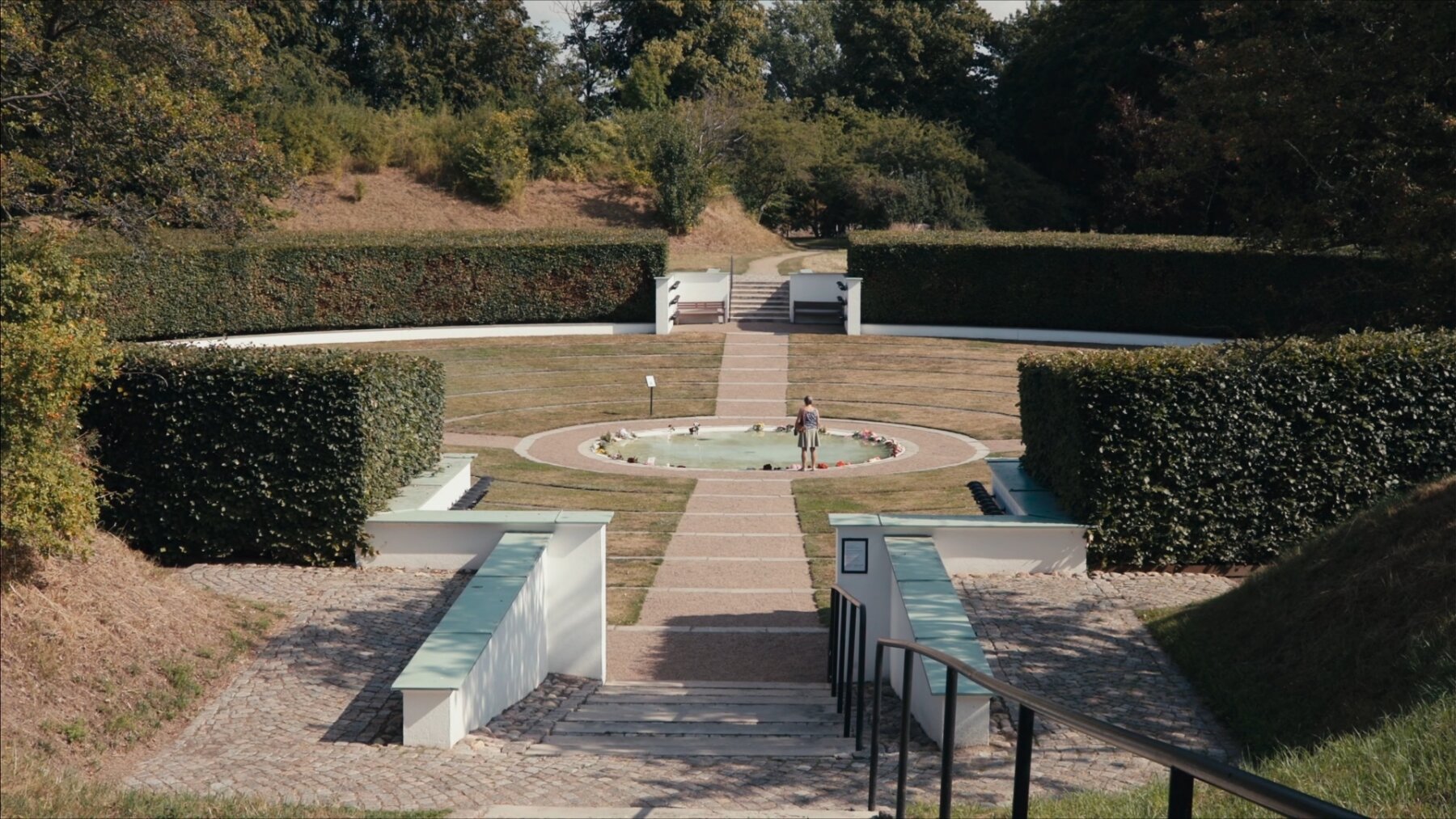
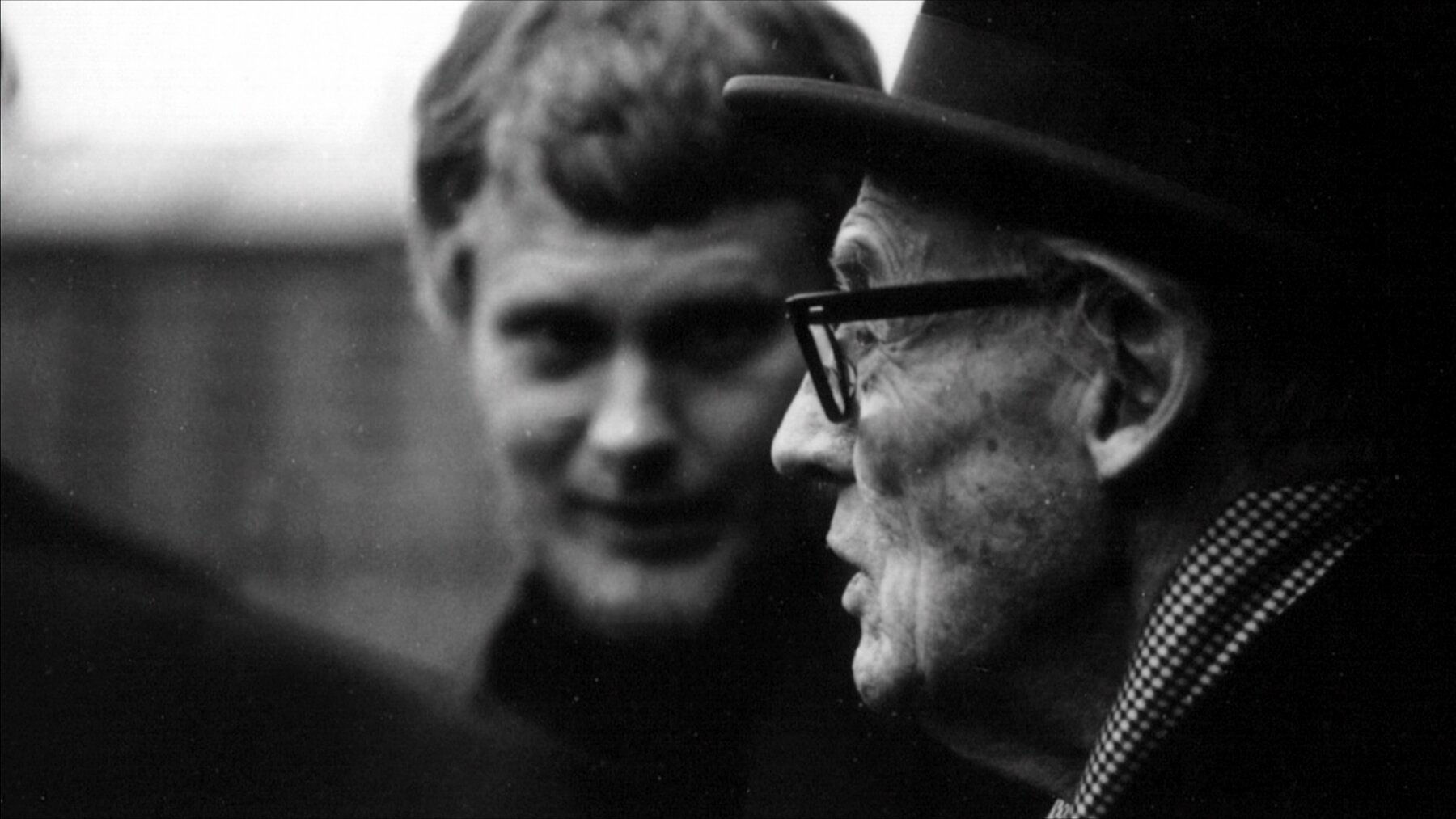
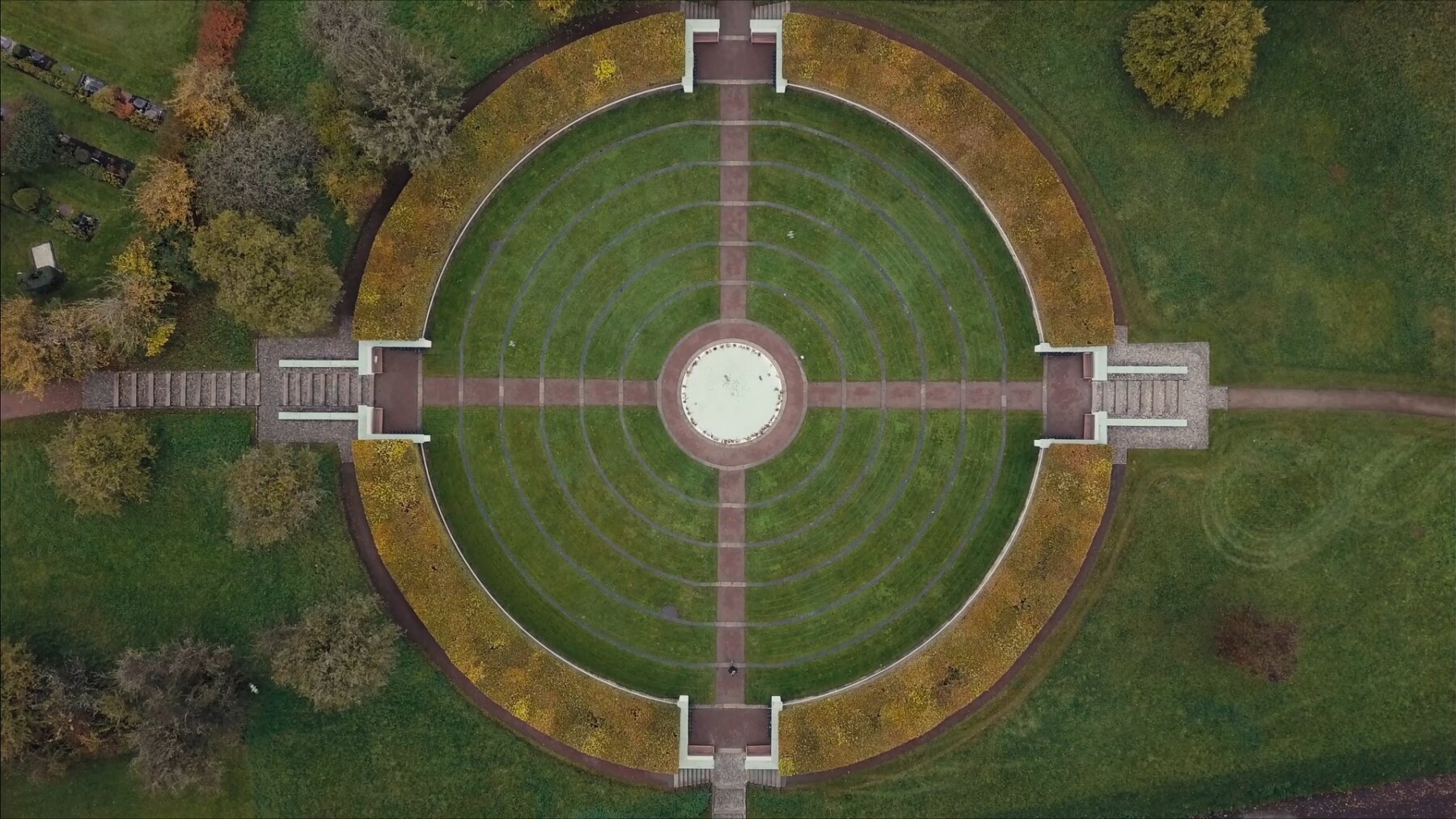
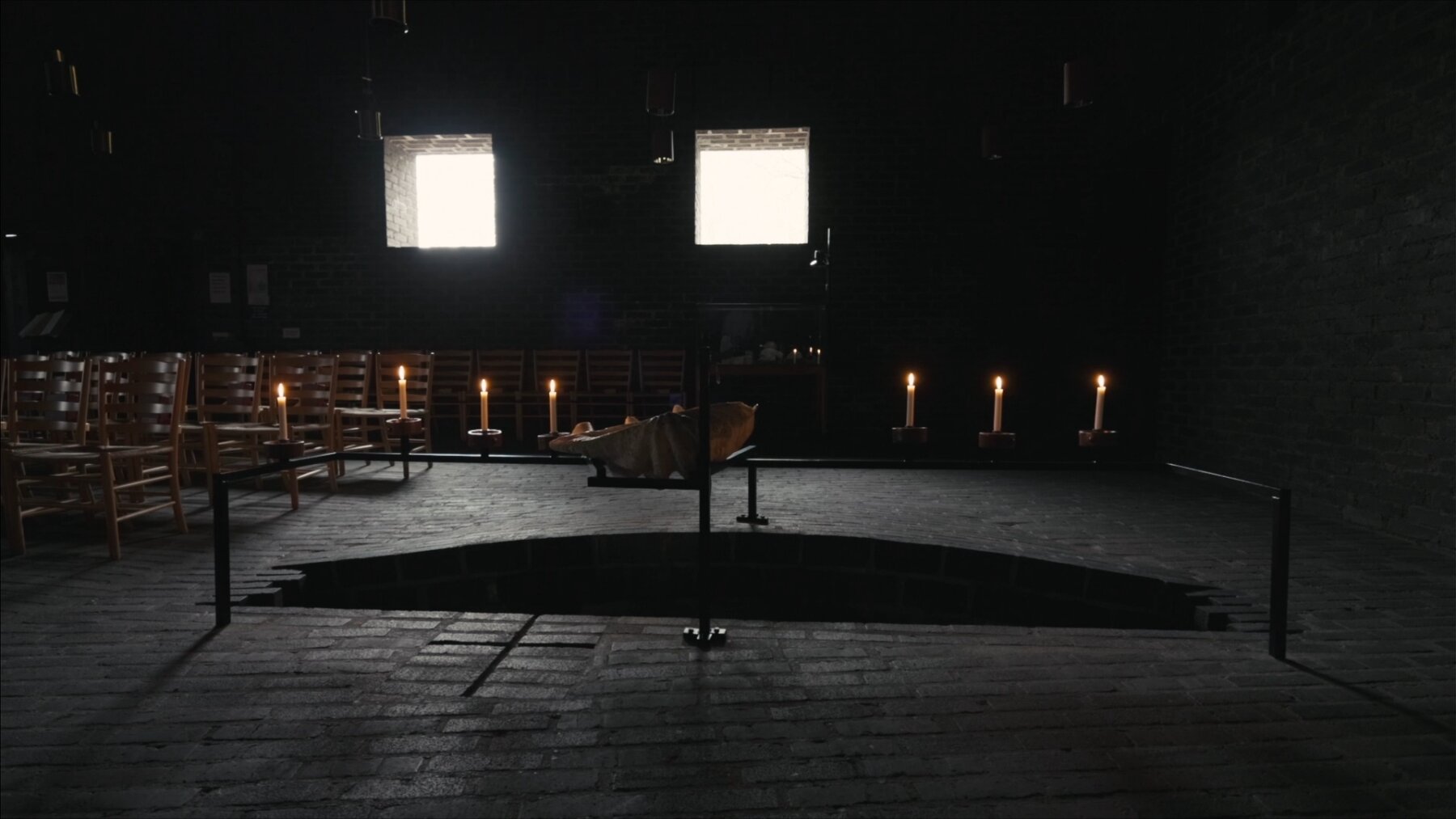
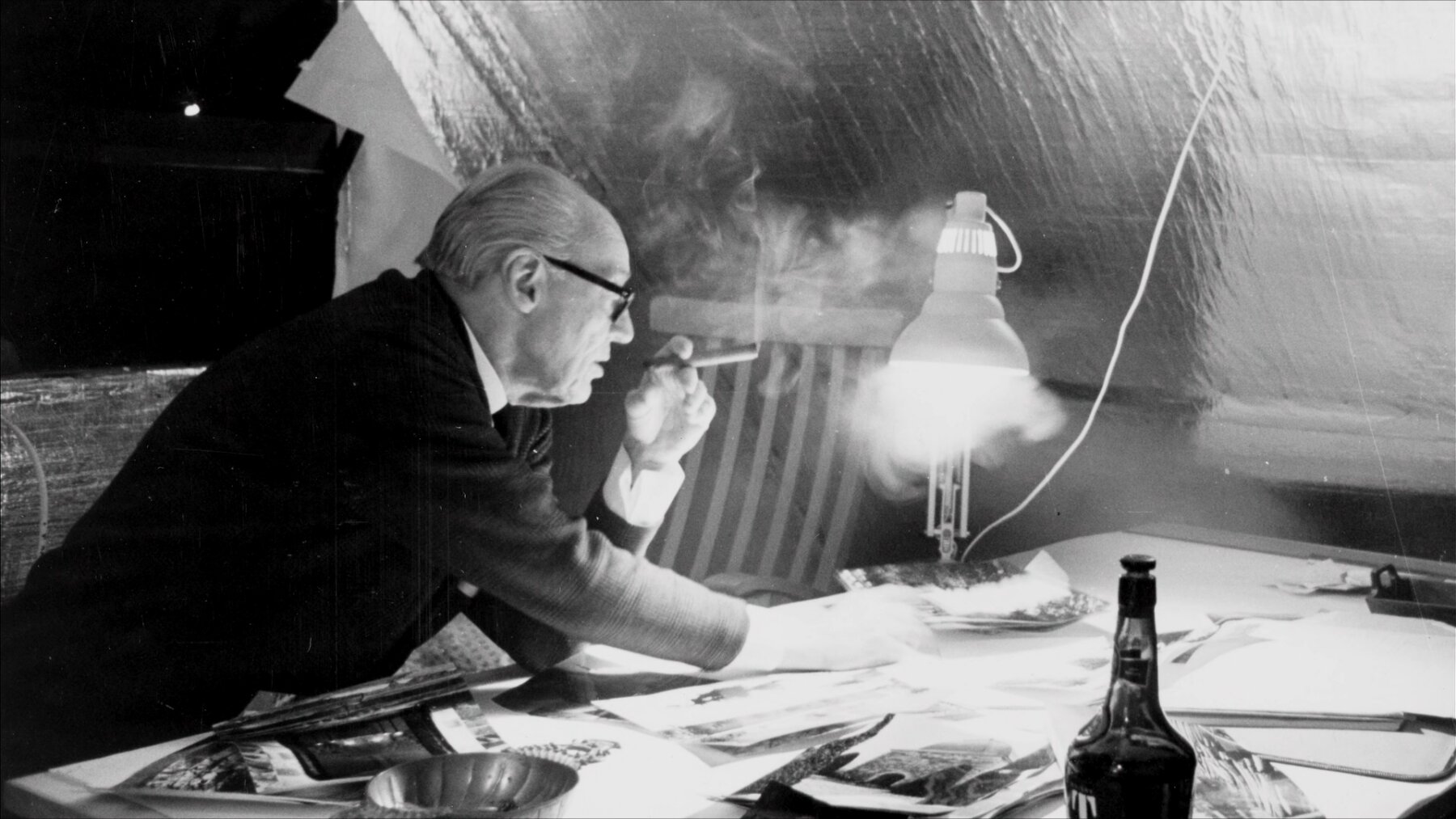
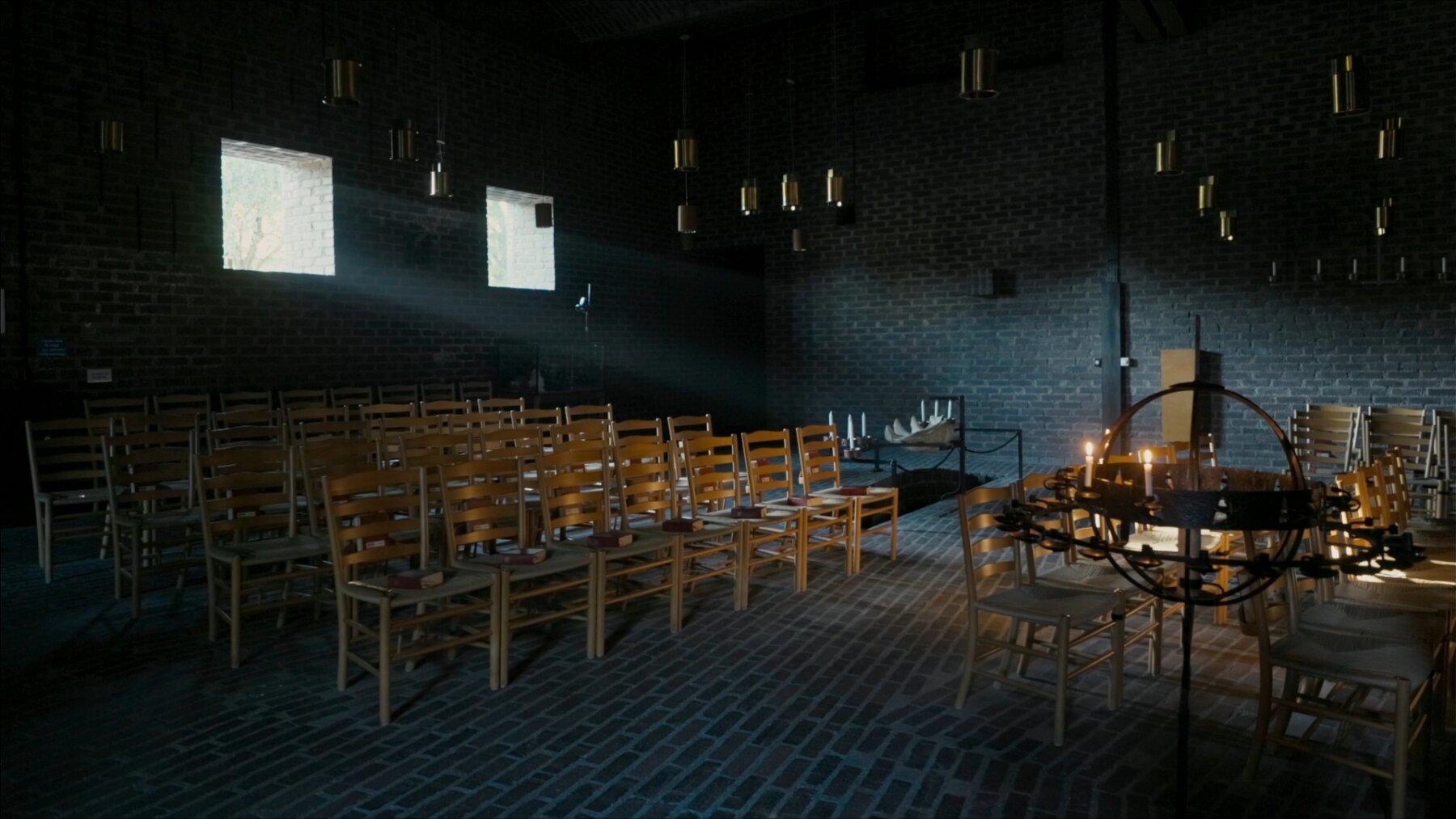
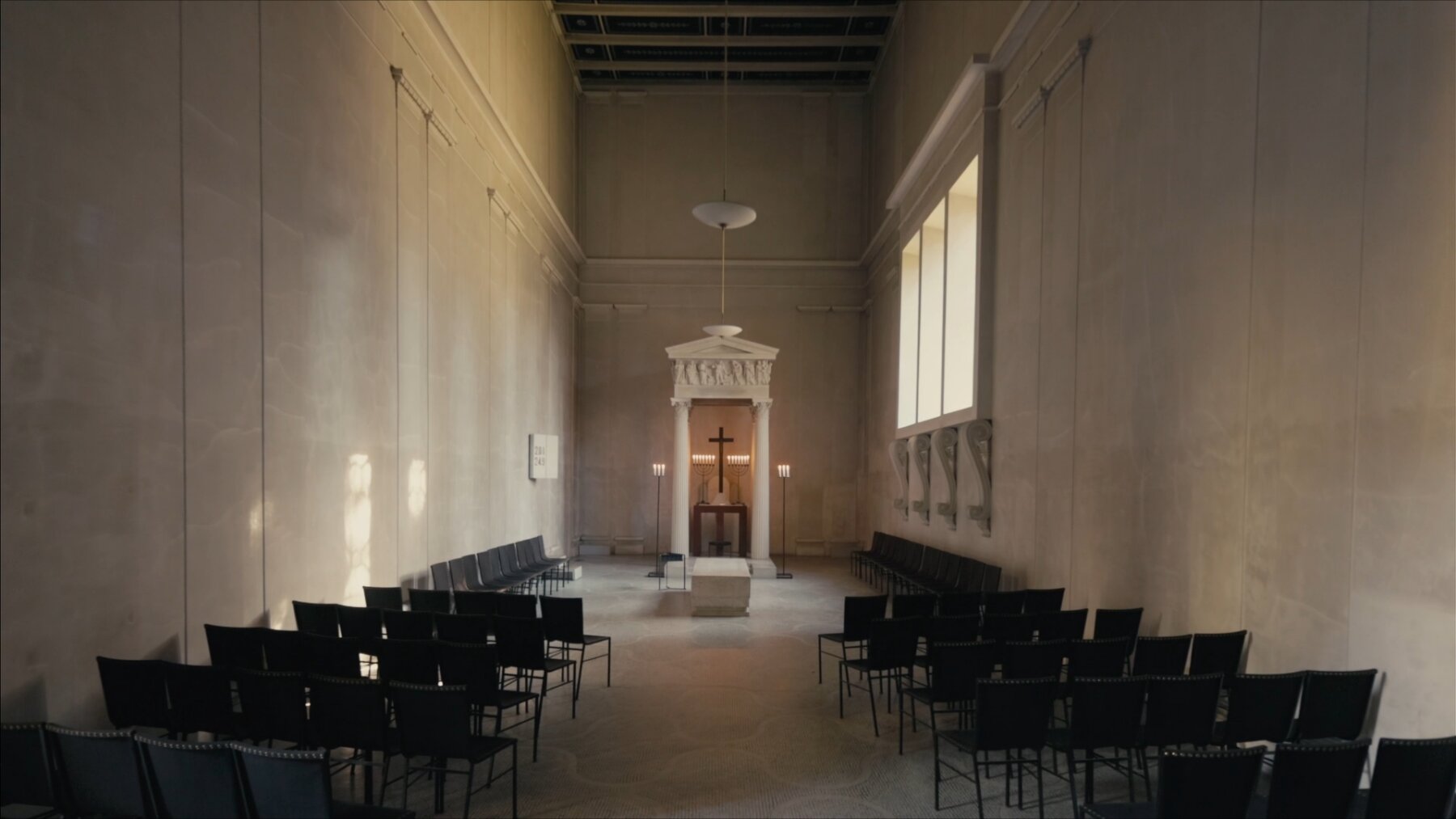
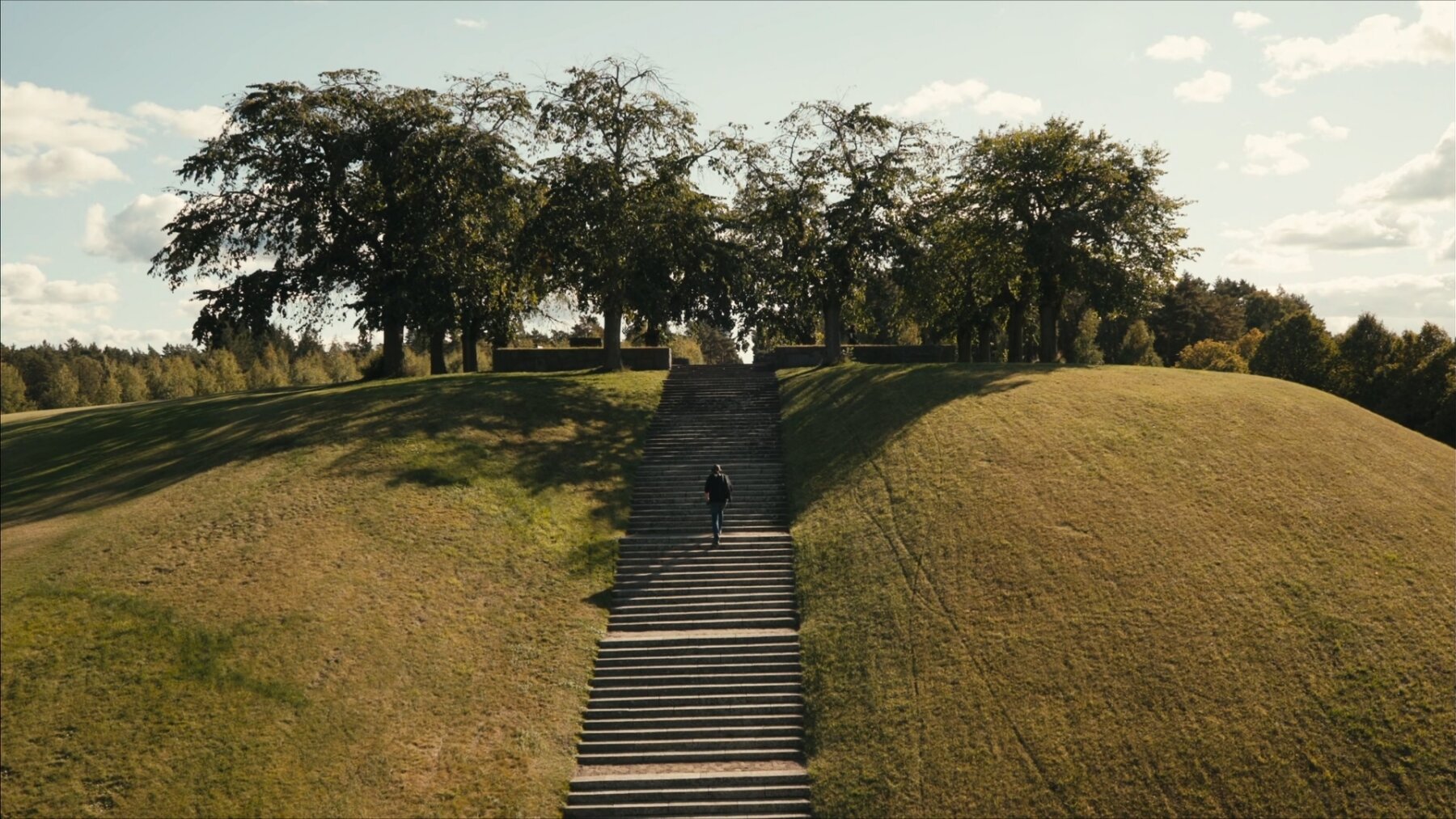
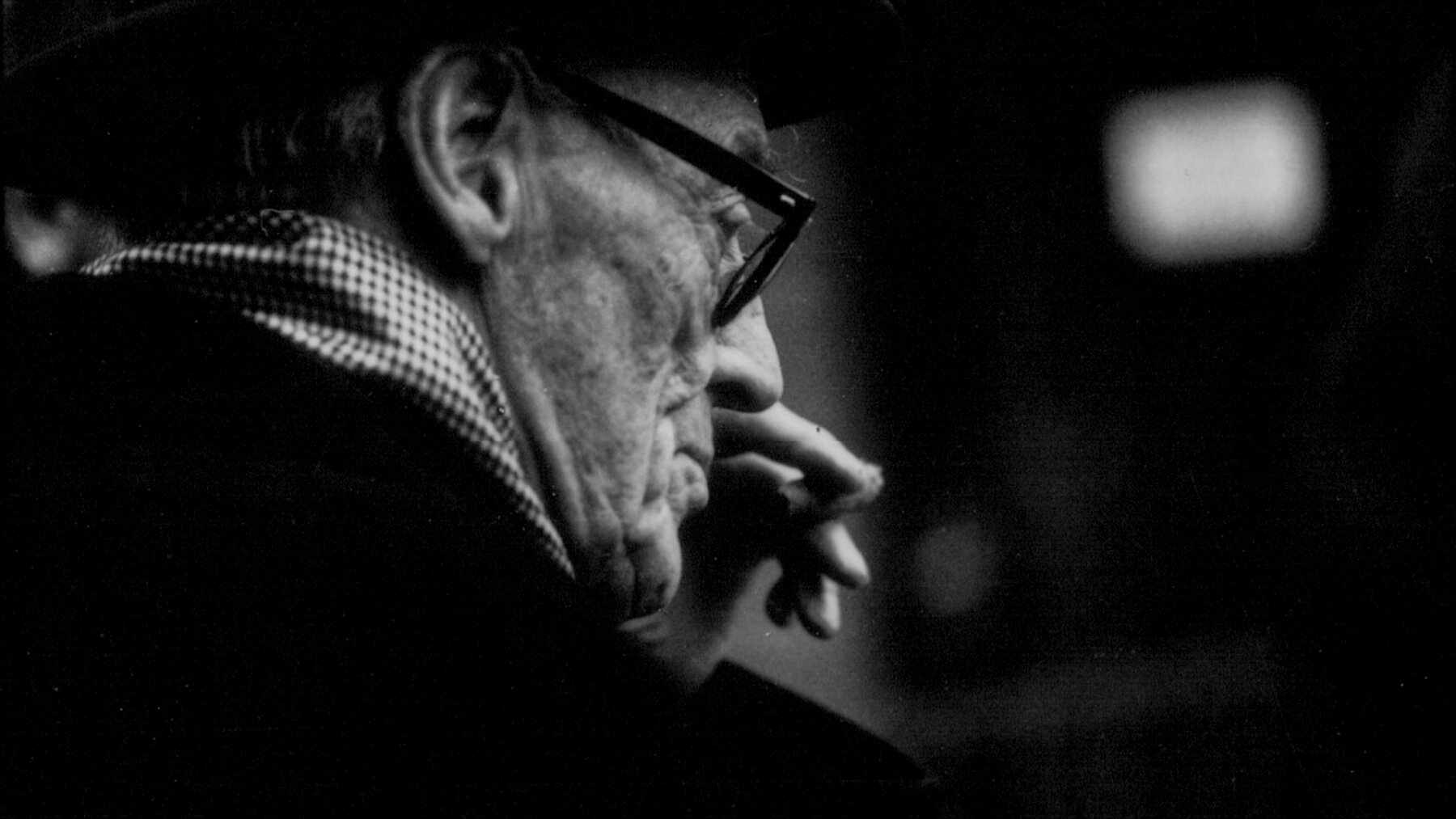
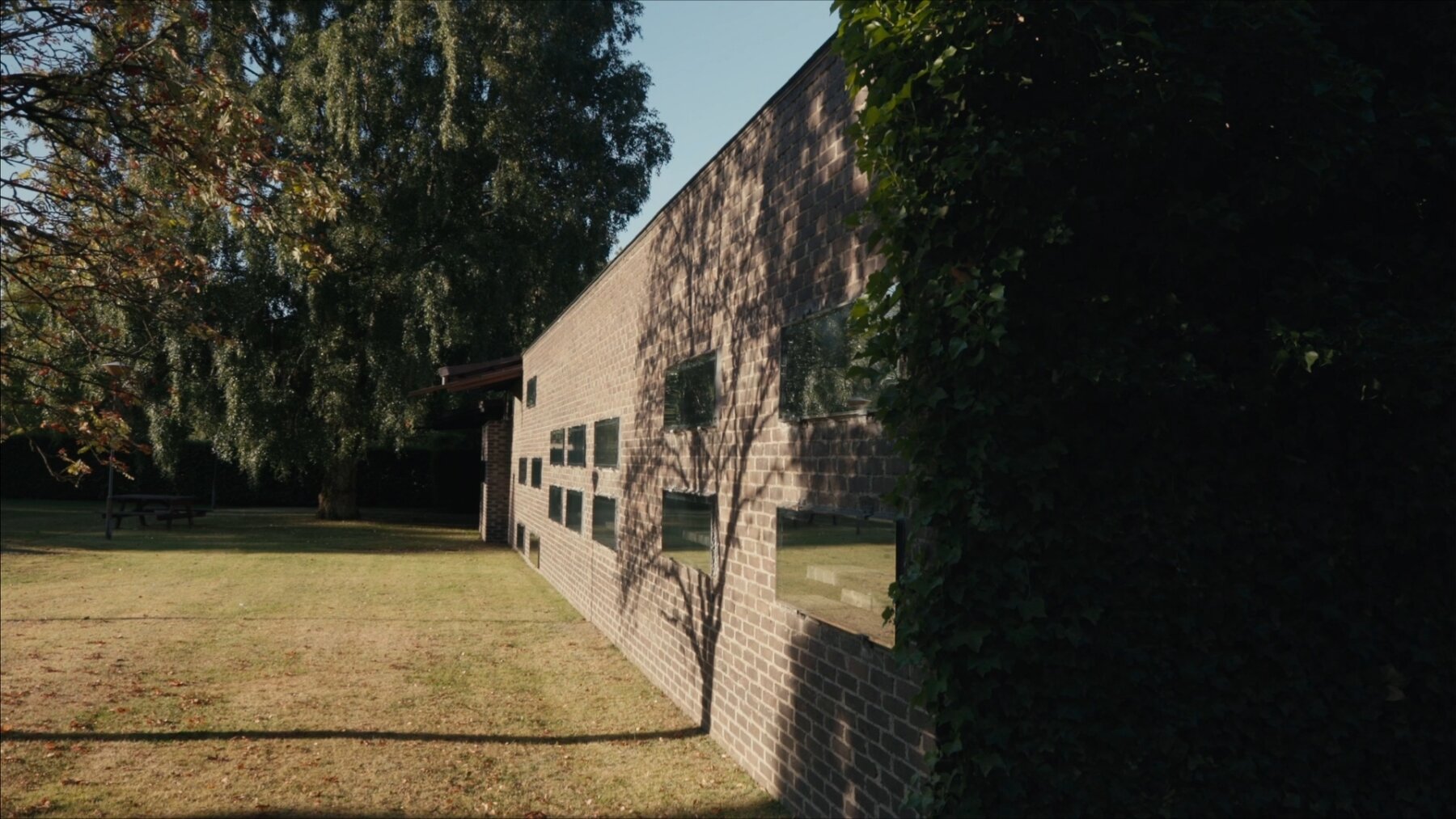
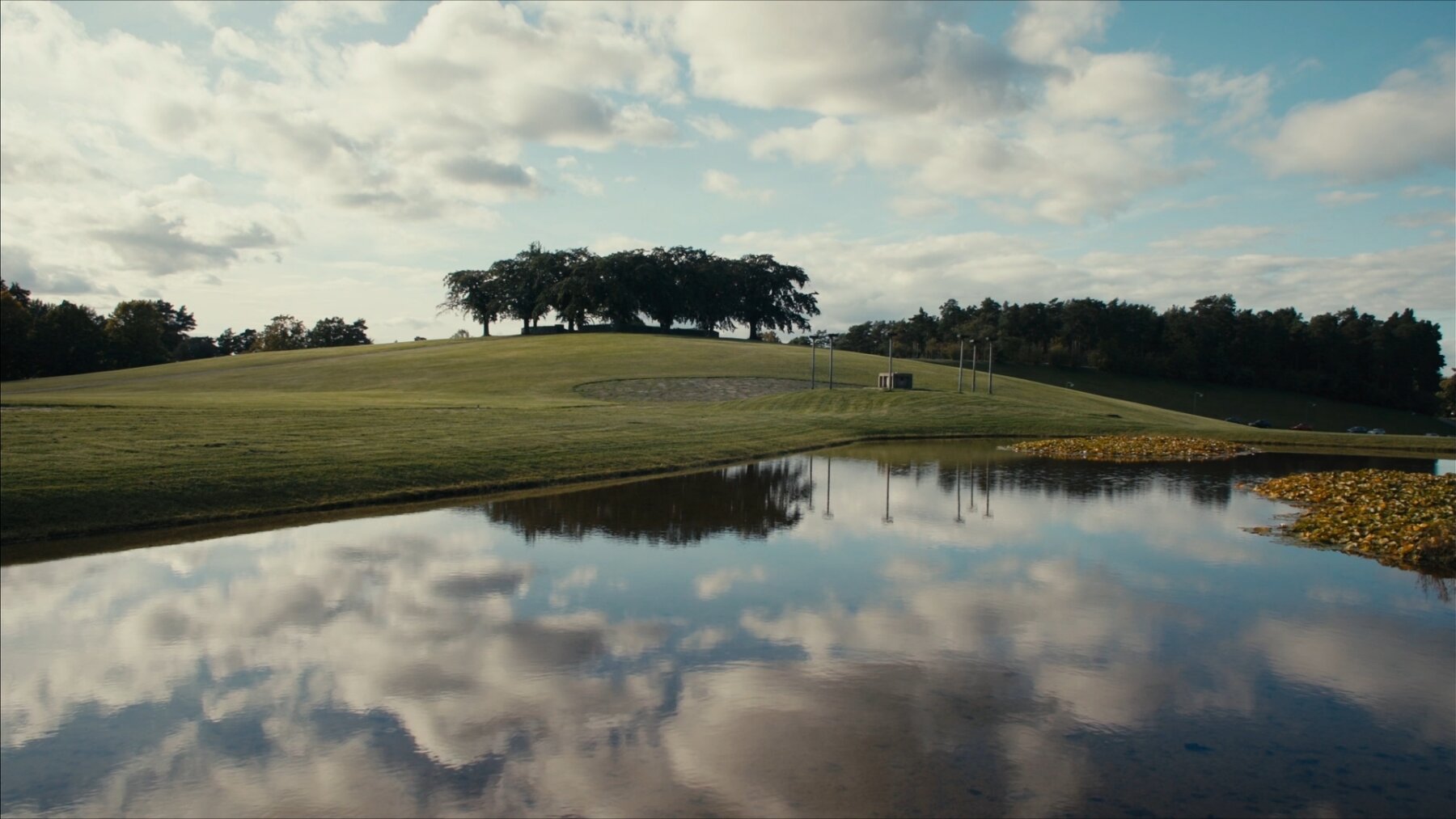
Light, material, and silence. The projects of Swedish architect Sigurd Lewerentz (1885–1975) are inhabited by a majestic, expansive tranquillity and timelessness as resolute as a rock. This unique portrait saw its world premiere at the Church of St Mark’s, designed by the architect himself, at the Tempo Documentary Festival. Lewerentz speaks in his own voice, and in the film it merges with brick walls, concrete, and the materiality of time.
One of the most internationally celebrated and respected Scandinavian architects was an enigma. Lewerentz was a private man who, like Brand, gave himself over entirely to ideas yet never reflected on them. He rarely wrote or gave lectures. He lived in marriage with his wife Edith for sixty years and did not say a word of it. The architect disappeared into his work – pure forms and optical structures, the best known of which are the Church of St Mark’s in Stockholm and the Woodland Cemetery on the outskirts of the capital, regarded to be one of the finest examples of landscape architecture. Then comes cinema – and the ideas acquire his tone of voice.
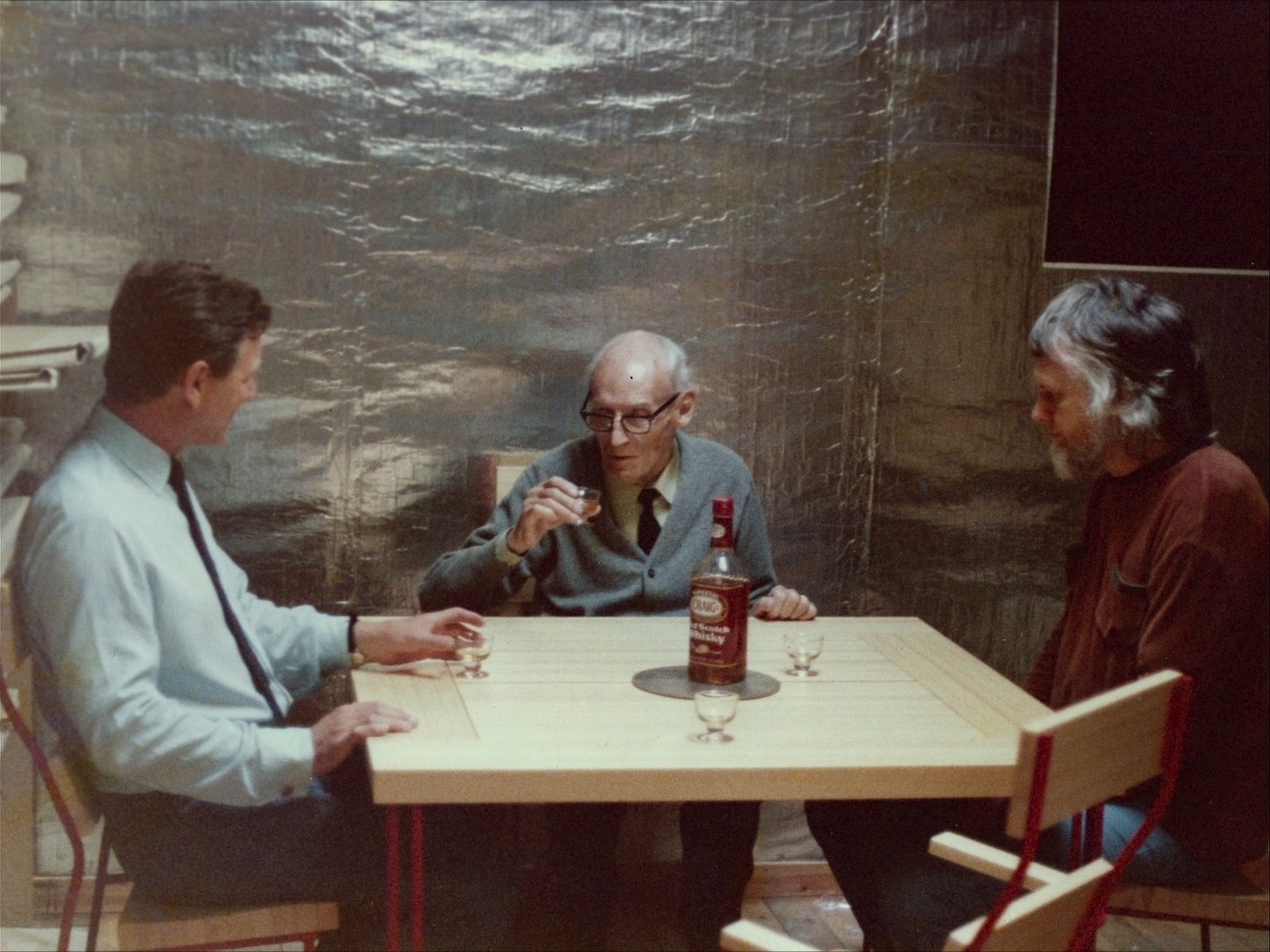
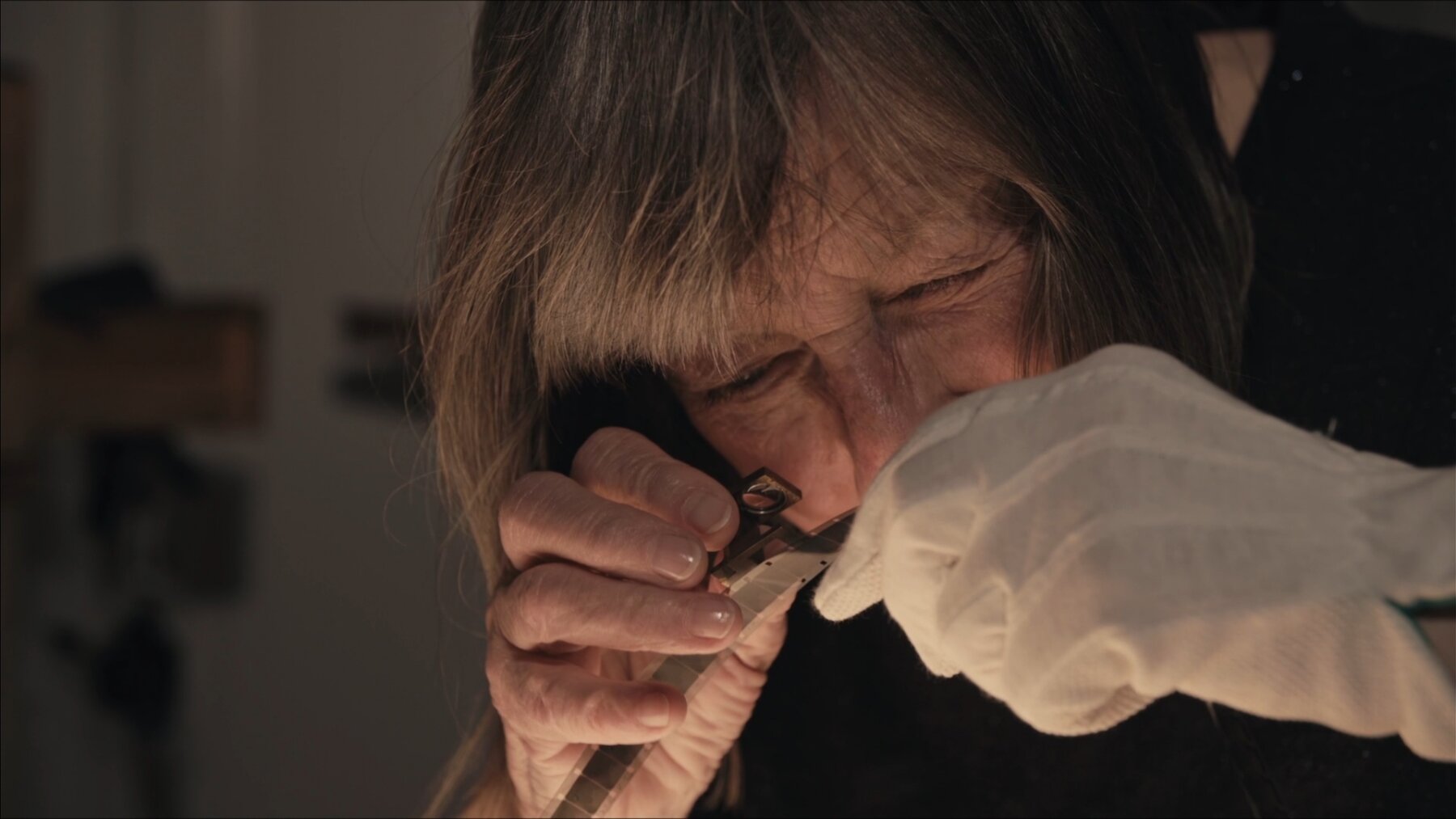
Several years ago, 16mm film reels and audio recordings of Lewerentz in his old age were discovered in a vegetable cellar in Lund, and this archival material forms the foundation of this documentary. Drawing on interviews with the architect Bernt Nyberg made in the 1960s and 70s, Blume’s film does not mystify Lewerentz but rather furnishes his vision with footnotes: on the era, on people, on the creative flame that makes the will harder than flint. Lewerentz left behind a legacy of inspirations, counted in hundreds: furniture, exhibition designs, graphic identities, posters, lamps, door handles and tombstones, striving to control every detail of every project. It is often said of him that Lewerentz was a man who stood “at a slight angle to the world”.
Foreword by the programme curator: A portrait of the life and work of Lewerentz, built with deep respect, attention to detail, and a precise aesthetic sensibility. This story will find an audience both in the architecture circles and beyond.
 Full catalogue of our posters, special tees, sweatshirts and caps
 Valid for RIGA IFF 2026


 Added to My festival
 Removed from My festival














 Tickets & Passes
 My festival
  sv/en
sv/en