Client Support Centre:
support@rigaiff.lv

Client Support Centre:
support@rigaiff.lv
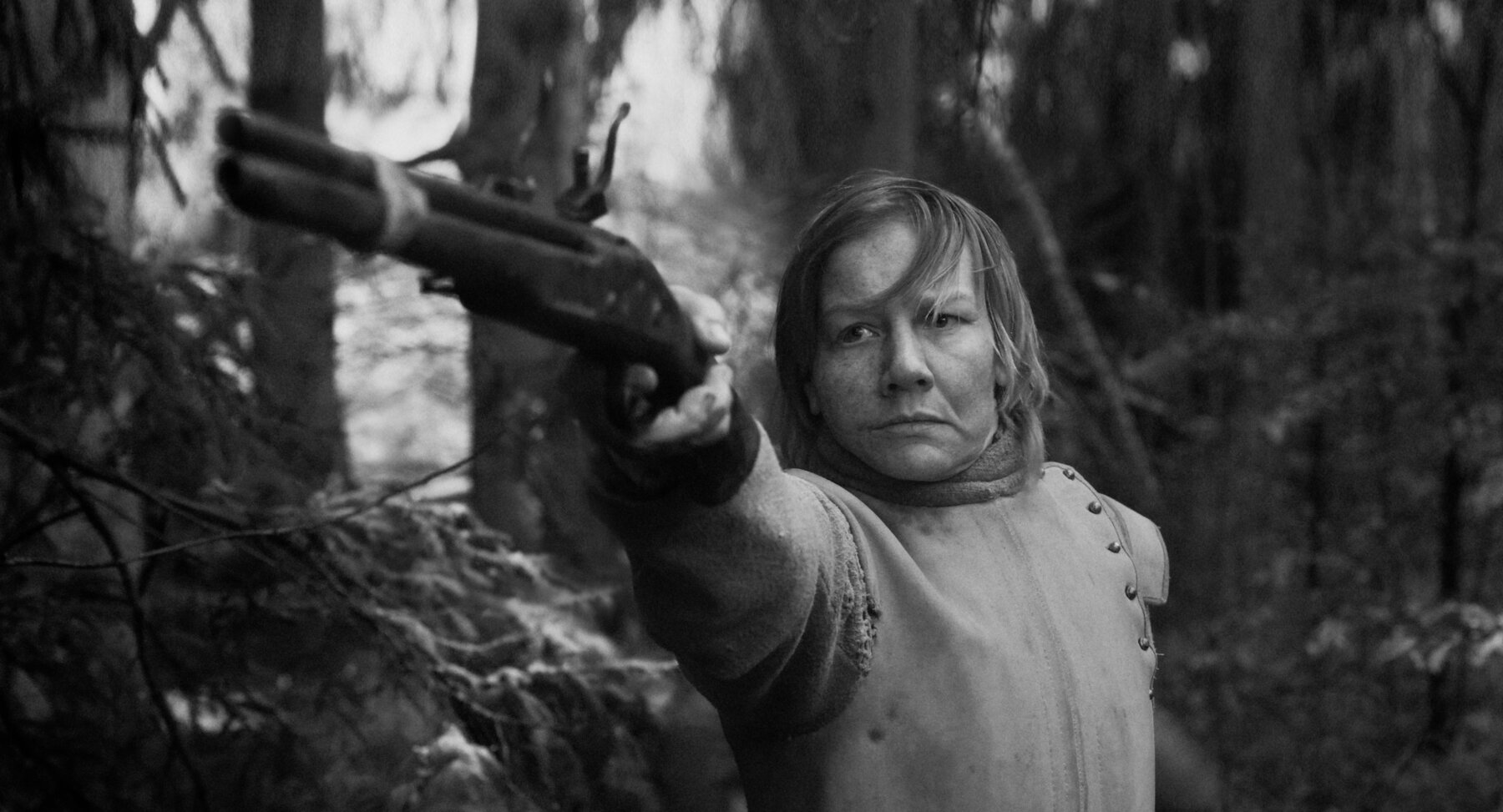
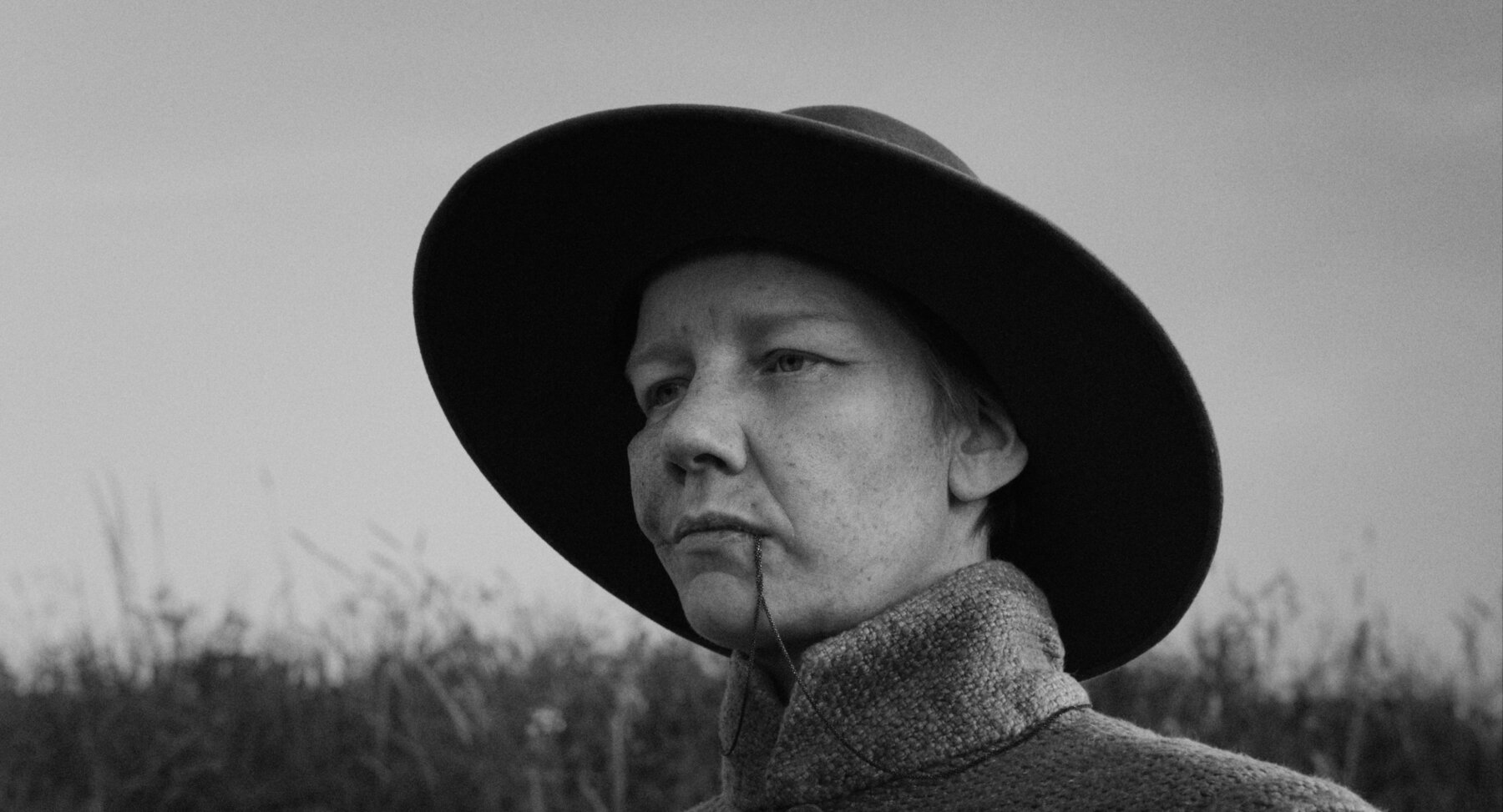
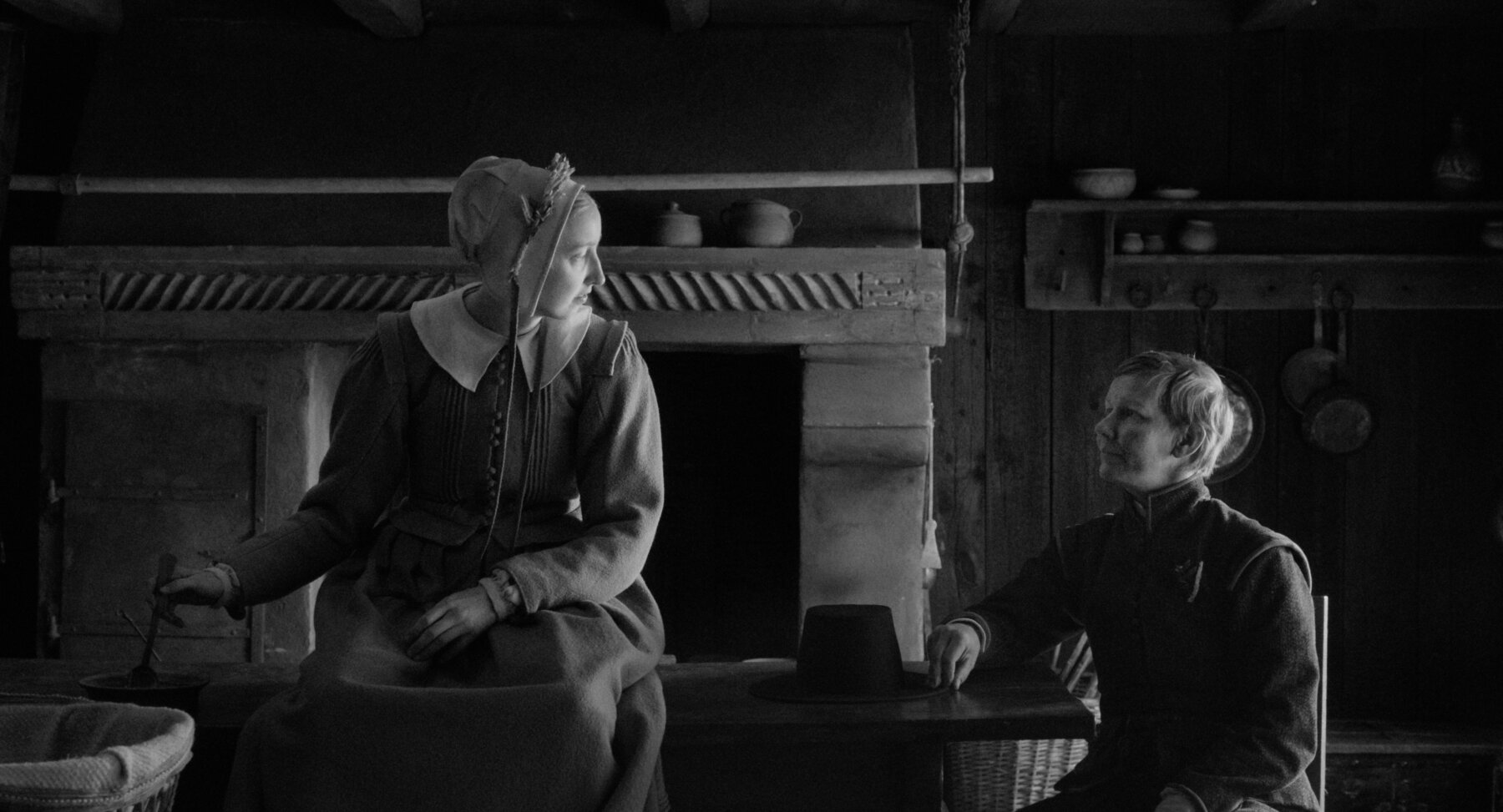
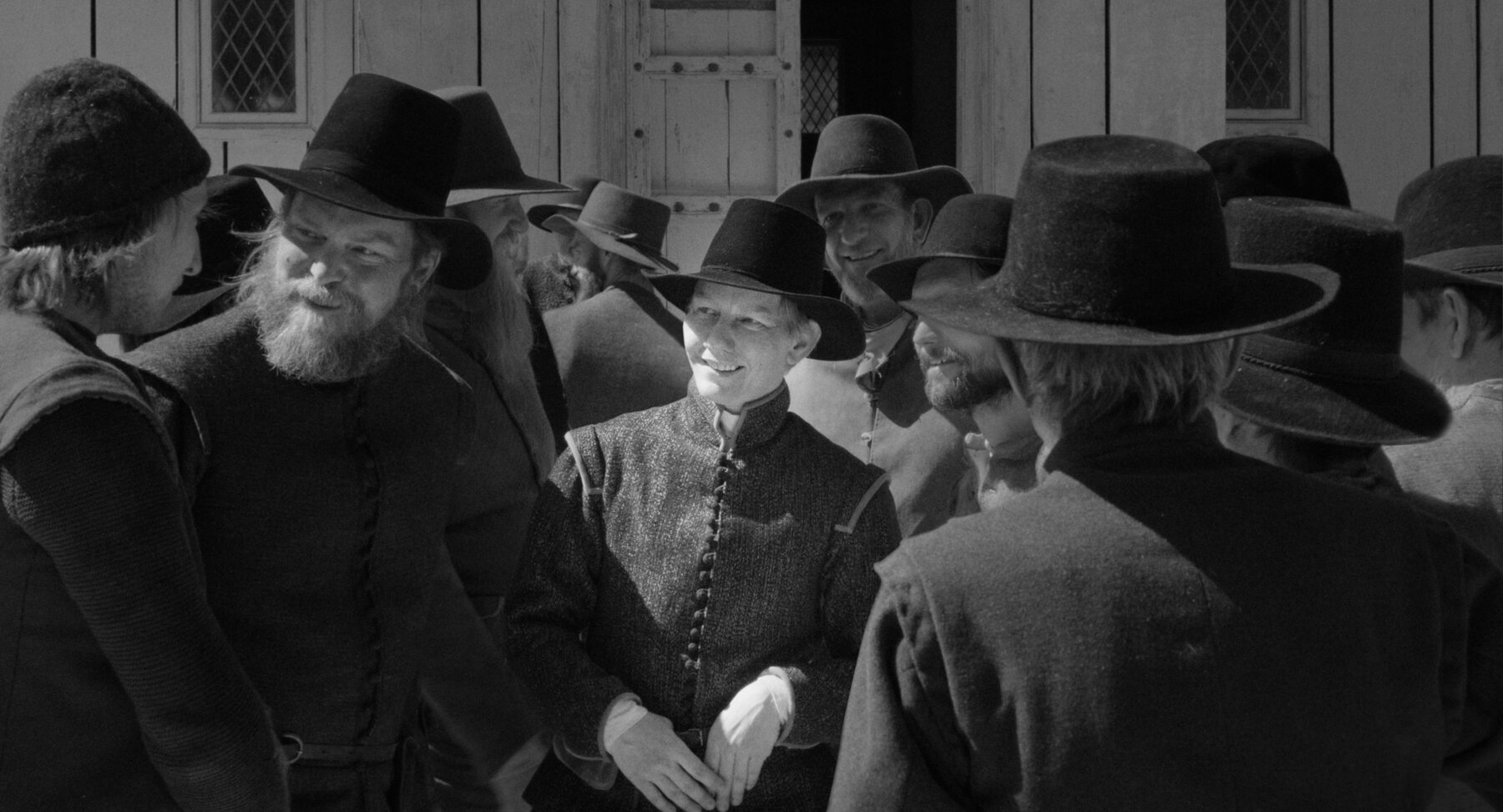
One of this year’s Berlinale darlings – a black-and-white portrait drama by Schleinzer, a kindred spirit of Michael Haneke, about a woman who pulls on a pair of trousers in the 17th century in order to enjoy the same economic and social freedom as men. In other words: privilege.
The Thirty Years’ War, the 17th century. A taciturn stranger arrives in a German village and says he has returned to his homeland. This man, whose family name is Rose, insists on reclaiming his property. Rose’s behaviour seems sketchy to the locals. The brisk, sharp, sparingly taken movements of an old soldier, a bullet worn around the neck – a reminder of survival and the frontline. Before long, the relationship between the outsider and the villagers turns into a witch-hunt, an avalanche of prejudice, and a philosophical dispute about what it means to be human.
A seasoned actor and casting director, Schleinzer has produced a polished debut that every filmmaker dreams of: crackling with intellectual fuel, bold in its performances – ladies and gentlemen, Sandra Hüller in the title role – and a visually commanding painting for the big screen. The historical fiction dissects gender stereotypes and pays respects to the grand masters – Dreyer, Tarkovsky, and other usual suspects – but above all to The White Ribbon (2009) by Haneke. Yet more than anything, it highlights the talents of German stage and screen actress Hüller as she embodies a thoroughly modern woman, something of a kindred spirit to George Sand, whose existential struggle unfolds four hundred years ago.
Foreword by the programme curator: Medieval engravings that have come to life, a deep knowledge of cinema history, and the incomparable Sandra Hüller – her character’s search for freedom is every bit as urgent in the 17th century as it is today.
 Full catalogue of our posters, special tees, sweatshirts and caps
 Valid for RIGA IFF 2026


 Added to My festival
 Removed from My festival






 Tickets & Passes
 My festival
  de
de