
Client Support Centre:
support@rigaiff.lv

Client Support Centre:
support@rigaiff.lv
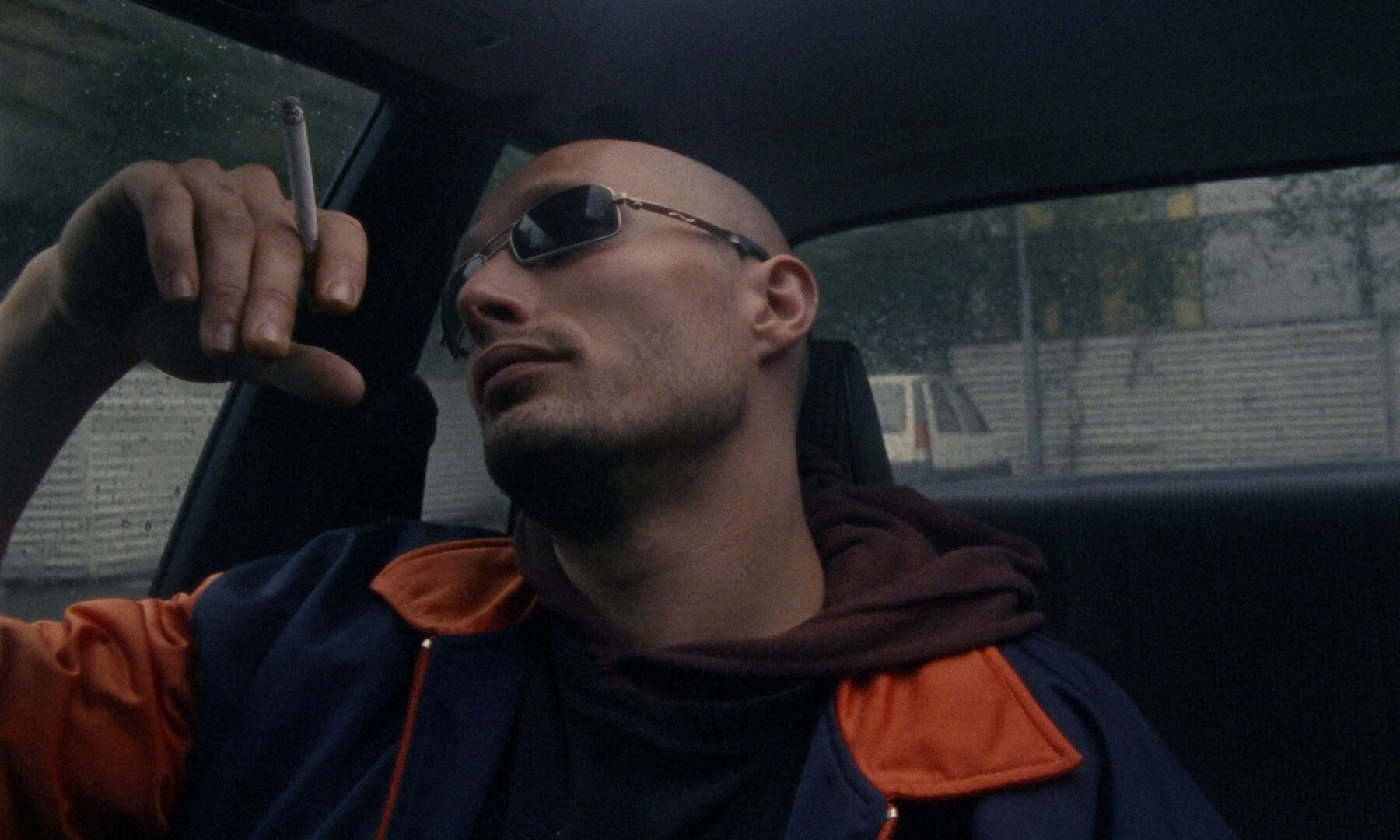
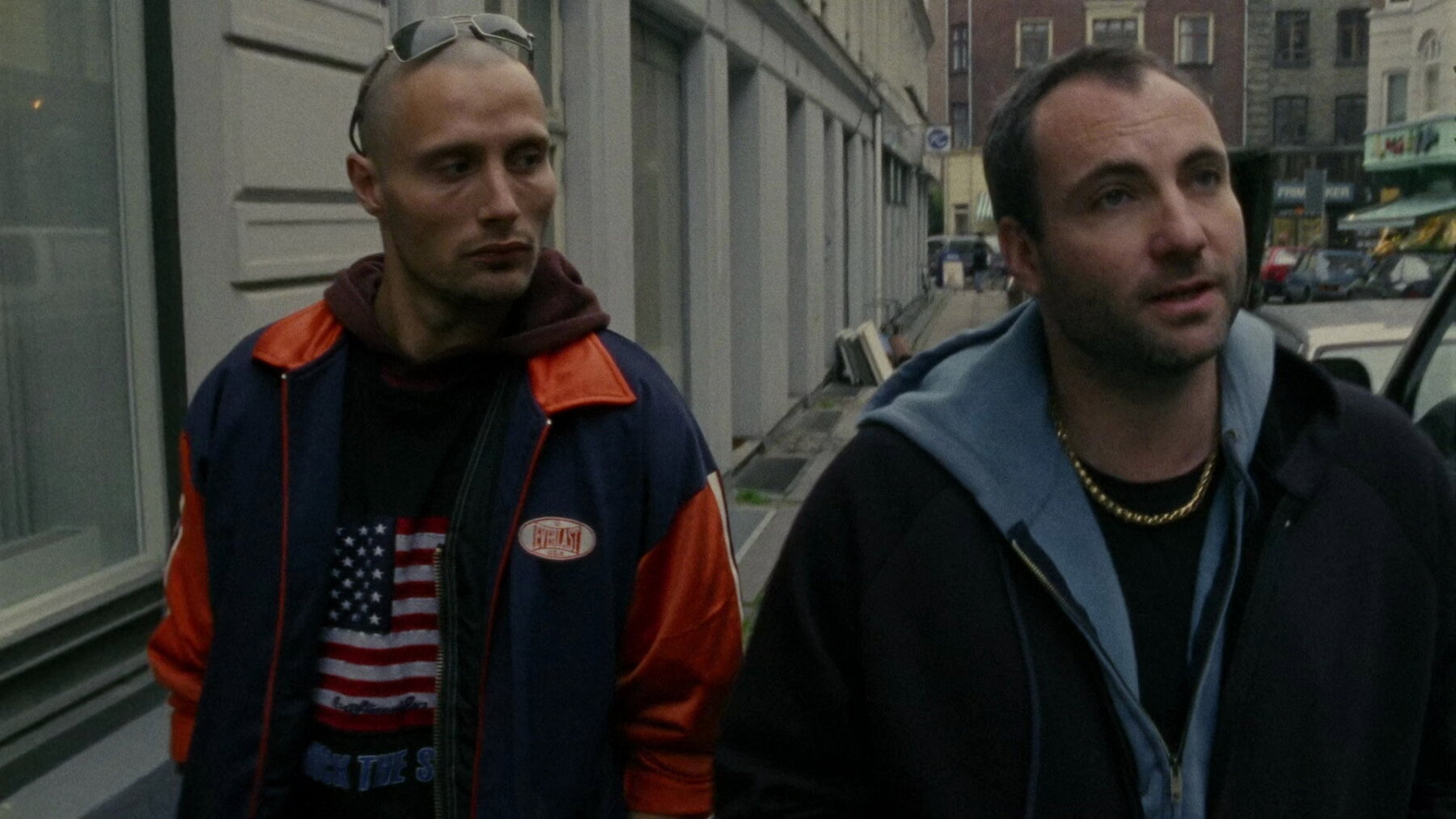
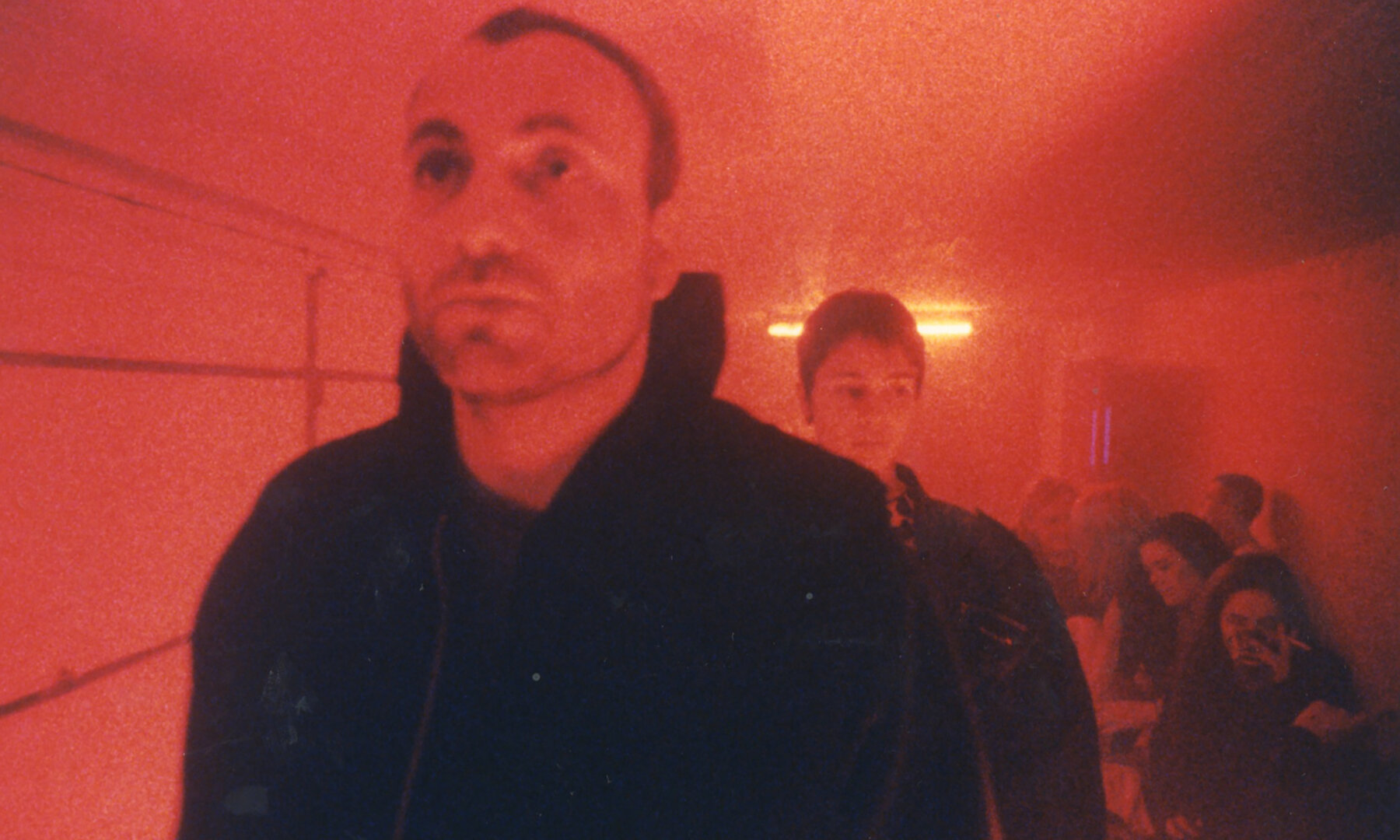
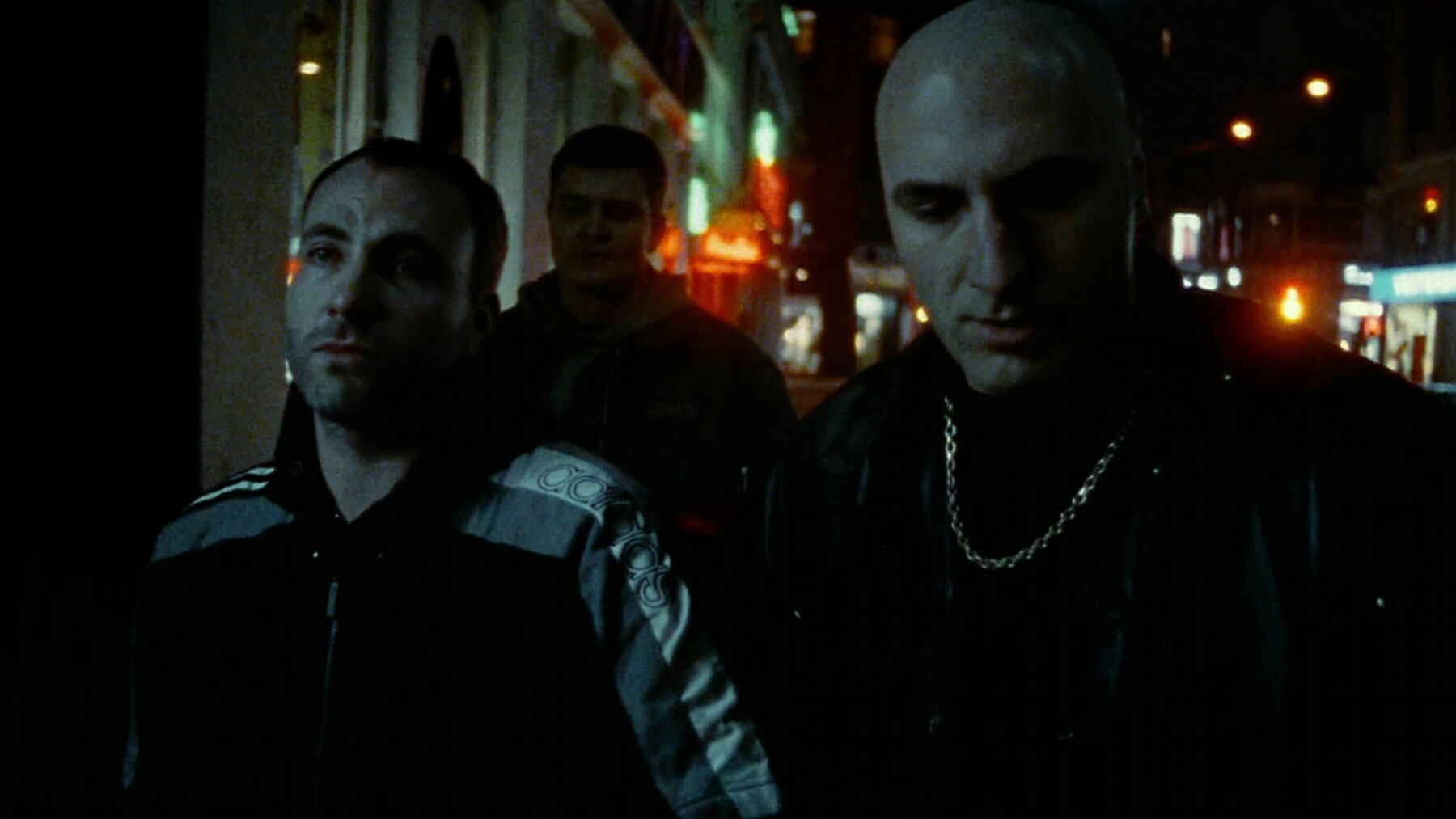
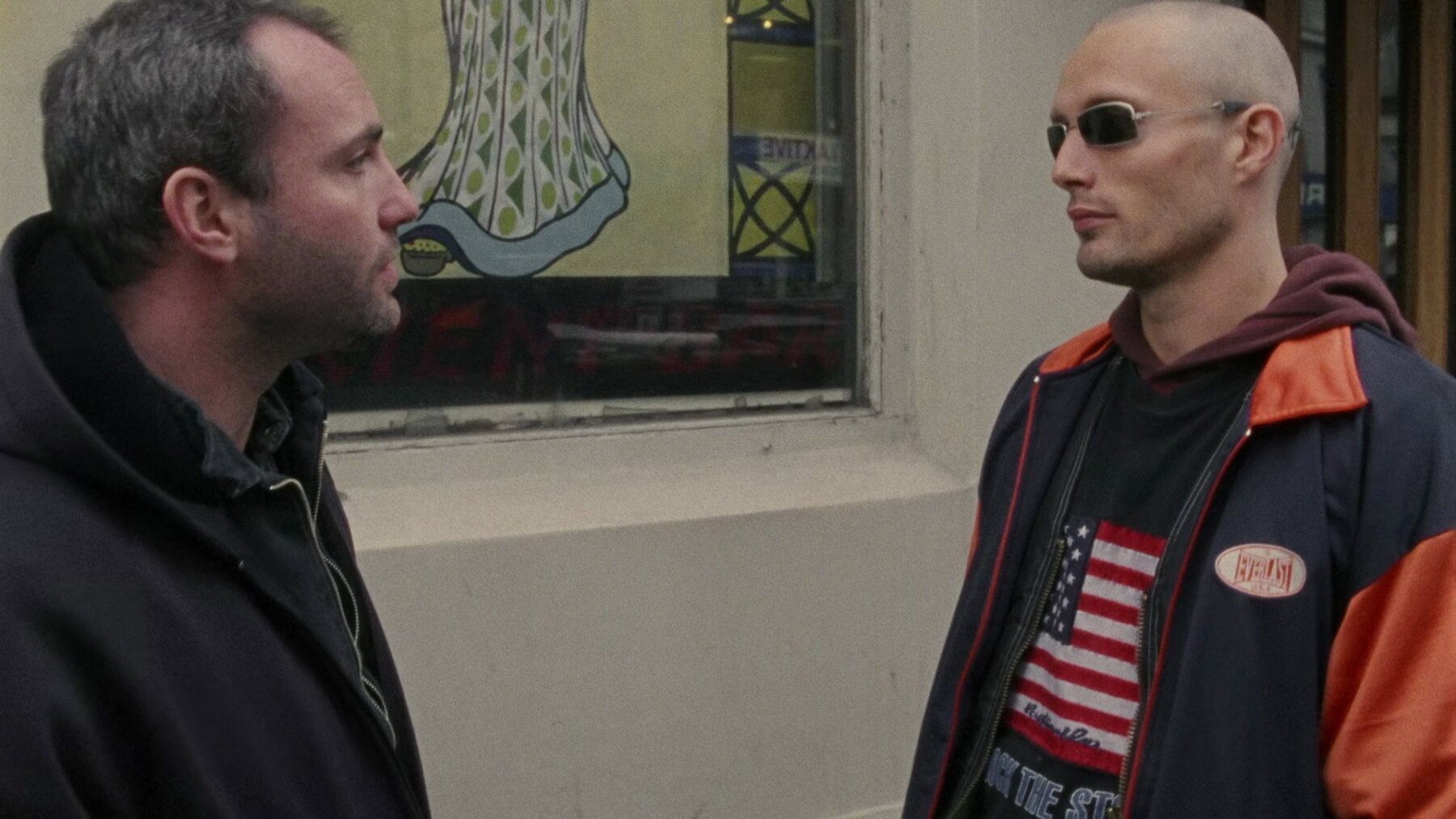
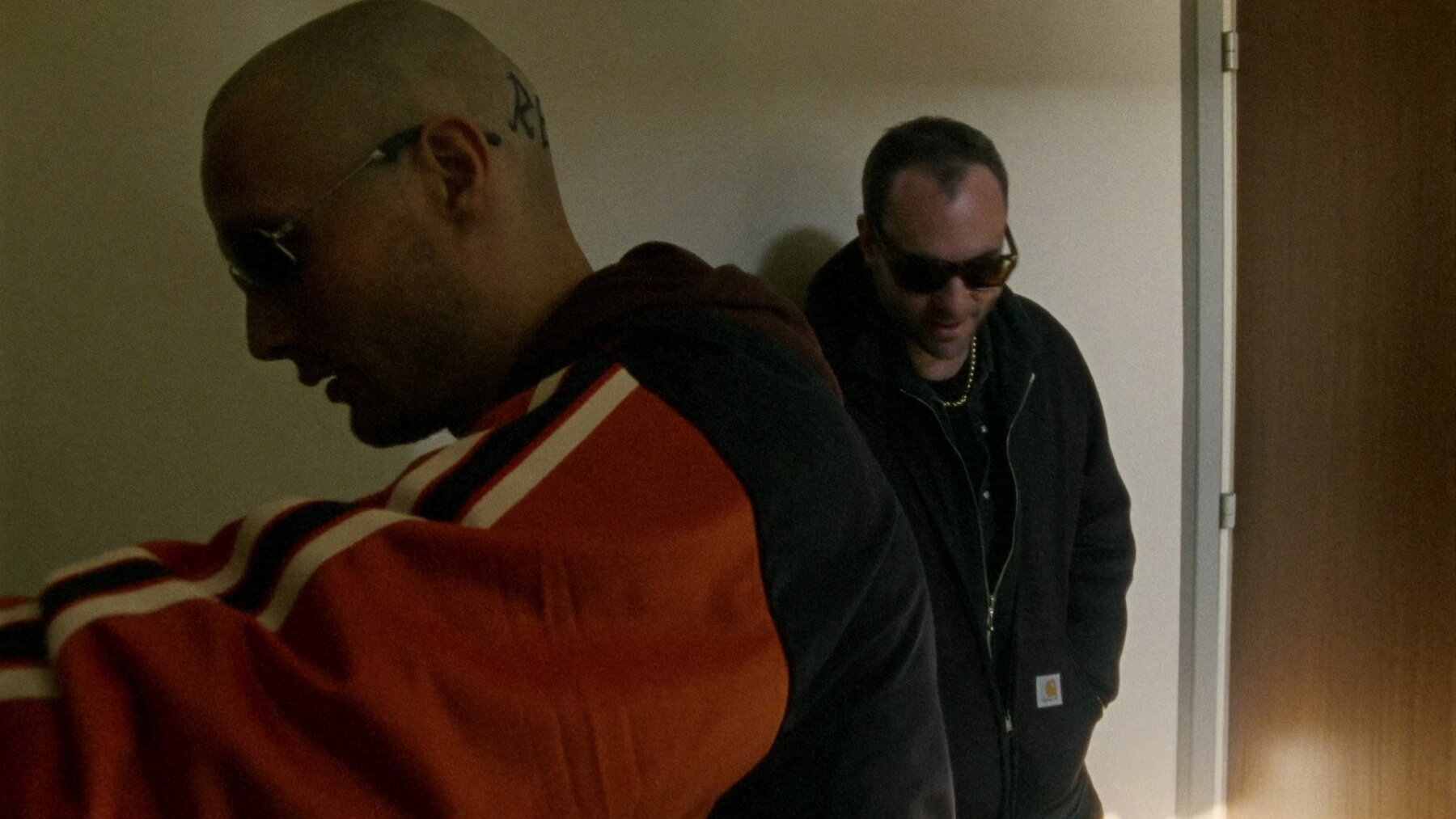
Danish director Nicolas Winding Refn is a chameleon of clichés, stereotypes, genre subconscious, machismo and citation – in his hands, a dust-covered standard becomes an auteur piece that rattles the shelves of good taste. The first part of the Pusher trilogy is the longest days and nights of dark souls in Copenhagen, with actor Mads Mikkelsen making his first brilliant mark.
This isn’t “one last job” for dealer Frank – this is the story of his debt to the Serbian mafia. Of how to survive. Alongside his partner Tonny, he deals, snorts, uses, parties – the two are such close friends that they seem almost like lovers, capable of finishing each other’s sentences. Frank is no kingpin of the powder-and-pills trade, he’s just trying to get through the day. When drug lord Milo gives him exclusive stuff to be paid up front, Frank realises he’ll need to find a way to pay Milo if he wants to live to see another day.
Refn is a Copenhagen cowboy, who – working with such actors as Ryan Gosling, Tom Hardy and Charles Melton – across his evolving filmography has turned to melancholy macho avengers. The kind who alternate tears with bullets. The same can be said of his debut film – a hyperreal narco-mafia drama that spawned sequels in 2004 and 2005. In this gritty portrait of mules, dealers and small-time crooks – with splendid nods to The Battle of Algiers (1966) by Pontecorvo – Mads Mikkelsen makes his screen debut, alongside genre stalwarts Kim Bodnia and Zlatko Burić. The trilogy is regarded to be the apex of European cinematic extremism – one of the defining examples of crime drama at the turn of the millennium – and Refn has been the genre’s crown prince of decadence ever since.
Foreword by the programme curator: Neon tension stylist Winding Refn, early in his career in the nooks and crannies of Copenhagen, told a crime-tinged fairy tale of “midnight cowboys”. For fans of the Danish filmmaker, genre fireworks, and Mikkelsen.
 Full catalogue of our posters, special tees, sweatshirts and caps
 Valid for RIGA IFF 2026
 Added to My festival
 Removed from My festival















 Tickets & Passes
 My festival
  da/sv/sr


